

 zamberi
By Kausalyaa Kaliapan
The Covid-19 pandemic has imparted profound lessons, both personally and globally. On an individual level, it reminded us to cherish those around us, to love more deeply and to appreciate each moment, knowing that life can change in an instant. For many, the unimaginable pain of losing loved ones brought this reality into sharper focus.
From a broader perspective, the pandemic underscored the critical need for early detection and rapid response in the face of emerging health threats. The swift and coordinated actions taken in the early stages, such as recognizing threats, conducting rapid tests and spreading accurate information, were key to controlling the virus’s spread. Global coordination is vital in these moments, as it enables countries to act promptly, with clarity, and in harmony. A unified framework for global health responses would improve crisis management and preparedness worldwide.
Covid-19 also revealed significant gaps in the public health infrastructure. Many healthcare systems were unprepared for the sudden surge in critical cases. In response, governments expanded ICU capacity, provided more ventilators, and strengthened healthcare facilities, mitigating the strain on these systems. Addressing the shortage of healthcare workers became an urgent priority, particularly in regions where the healthcare services were fragile. Comprehensive training in infectious disease control, emergency response, and critical care helped front line workers manage patients effectively. The pandemic also highlighted the importance of mental health support, with healthcare workers and public alike facing unprecedented stress and loss.
Strategic stockpiling emerged as another essential component of pandemic
preparedness. Governments and medical organizations need robust systems to ensure stockpiling and fair distribution of critical supplies, such as personal protective equipment (PPE), ventilators and essential medications, to respond to future crisis swiftly and efficiently.
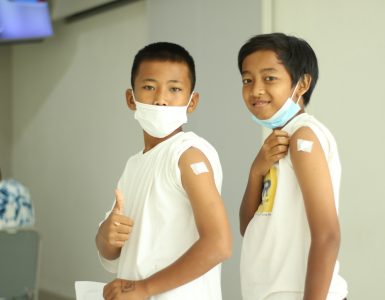
Governments spent billions on vaccines distribution, underscoring the importance of well-funded research platforms for the swift development of vaccines against emerging pathogens. The investment in vaccines demonstrated the life-saving power of rapid vaccine research and development. Strengthening local manufacturing capacity is also crucial, as it reduces reliance on single-source supply chain. In addition, diversifying the global supply chain is a necessary step to ensure the uninterrupted availability of medical supplies during a crisis.
In a nutshell, the Covid-19 pandemic has reshaped the global approach to public health and crisis preparedness. With these hard-earned lessons, we have the opportunity to build a more resilient healthcare system, one that is better equipped to safeguard public health in the face of future challenges.







 healthliteracymalaysia


Add comment