

 zamberi
by Hemagirri Manisekaran
Shielding Our Future: How Vaccines Keep Us Safe from Common Diseases
Vaccines are one of the greatest success stories in modern medicine. They’ve saved millions of lives and helped protect people from serious illnesses that used to spread easily and cause a lot of suffering.
What Are Vaccine-Preventable Diseases?
These are illnesses caused by viruses or bacteria that spread through the air, through coughs or sneezes, or by direct contact. They can make people very sick, lead to hospital stays, and sometimes even cause death.
But the good news? Vaccines are the best way to prevent these diseases.
Thanks to vaccination, many deadly diseases have become rare — and some have even been completely wiped out in certain parts of the world. For example, smallpox has been eradicated globally, and polio has disappeared from many countries.
However, if people stop getting vaccinated, these diseases can come back. We’ve seen this happen with measles, which has returned in some areas where vaccination rates have dropped. During the COVID-19 pandemic, routine vaccinations were disrupted, and that has led to new outbreaks of diseases we once had under control.
Common Diseases We Can Prevent with Vaccines
Measles
A highly contagious virus that spreads through coughing and sneezing. It causes a high fever and a red rash, and can lead to serious complications like pneumonia. The MMR vaccine (measles, mumps, rubella) has made a huge difference, but measles can return quickly if too many people skip their shots.
Polio
Polio is a virus that can cause paralysis or even death. Thanks to global vaccination efforts, polio cases have dropped by more than 99% since 1988. The polio vaccine, given to children, is still important to keep the disease from coming back.
Hepatitis B
This is a liver infection that can lead to long-term health problems like liver cancer. The hepatitis B vaccine, introduced in the 1980s, is usually given to babies and has helped reduce infections significantly.
Diphtheria
A serious bacterial infection that can make it hard to breathe and damage the heart. Before vaccines, diphtheria was a major cause of death in children. Today, the DTaP vaccine (which also protects against tetanus and whooping cough) keeps it under control.
How Do Vaccines Work?
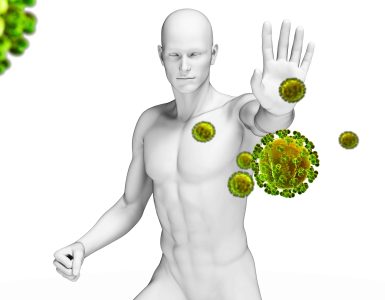
Vaccines help your body learn how to fight certain germs without actually getting sick. When you’re vaccinated, your immune system makes antibodies that protect you from the disease if you’re exposed in the future.
This doesn’t just protect you — it helps protect others too.
When enough people are vaccinated, it creates herd immunity, or community protection. This makes it harder for diseases to spread and helps keep babies, older adults, and others who can’t get vaccines safe.
Why Staying Up-to-Date with Vaccines Matters
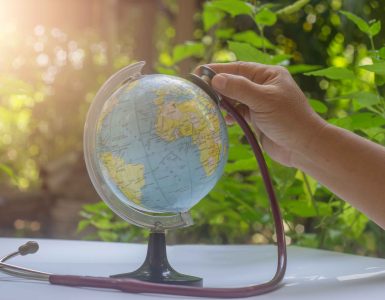
In today’s connected world, viruses and bacteria can travel across borders quickly. Staying up-to-date with your vaccines — and making sure your children are vaccinated — is one of the best ways to protect yourself and your community.
Vaccines aren’t just for children. Adults also need boosters or new vaccines depending on age, health conditions, or where they’re traveling.
By choosing to vaccinate, you’re not only keeping yourself safe — you’re helping to build a healthier, safer world for everyone.








 healthliteracymalaysia


Add comment