
 zamberi
by Kausalyaa Kaliapan
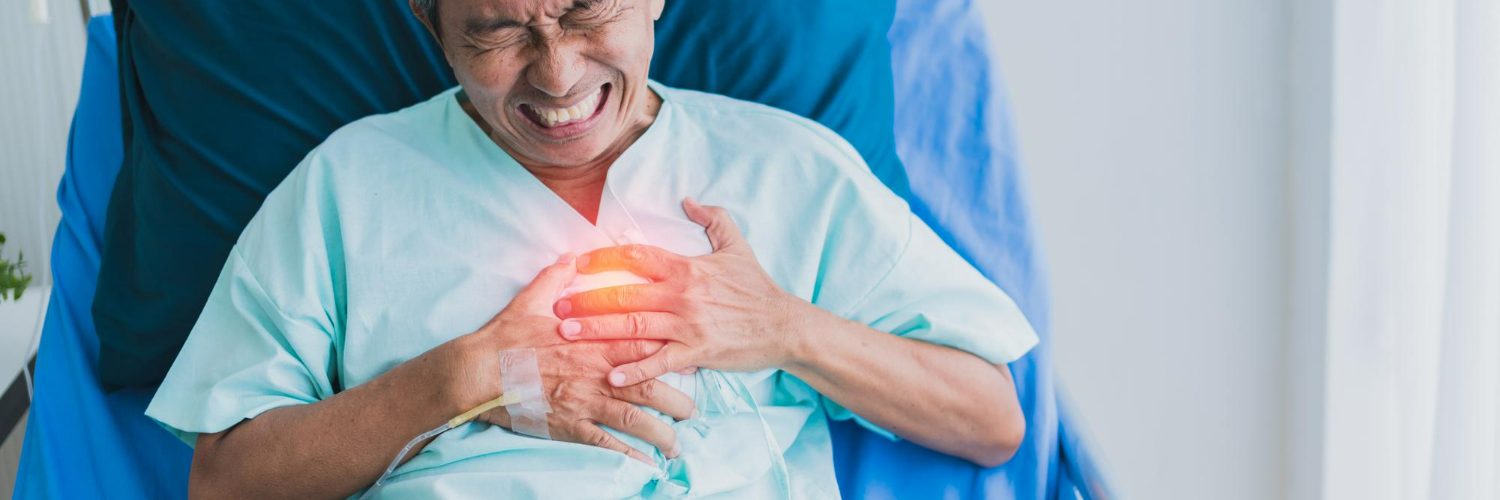
It was a quiet Sunday afternoon when 12-year-old Aisha suddenly collapsed during a family picnic. Her uncle rushed to her side – she wasn’t breathing. Panic set in, but thankfully, her father, who had recently taken a first aid course, immediately sprang into action. He checked her airway, started chest compressions, and gave rescue breaths. By the time the ambulance arrived, Aisha was breathing again. The paramedics later said those few minutes of CPR made all the difference. Aisha recovered fully and her father’s knowledge of first aid saved her life.
Stories like Aisha’s highlight why first aid is not just a helpful skill; it’s a life-saving skill. First aid is the immediate help given to someone who is sick or injured, before professional medical care arrives. It can prevent a person’s condition from worsening, reduce pain and distress, and in critical situations, save lives.
Emergencies can happen anytime and anywhere; whether it’s a burn in the kitchen, a child choking on food, or someone collapsing from a heart attack. With some basic first aid knowledge, anyone can step in and make a difference.
At the heart of first aid is the ABC concept: Airway, Breathing, and Circulation. This principle helps guide your actions in critical moments. For example, if someone isn’t breathing, you first check their airway and remove any blockages. If they still aren’t breathing, you give rescue breaths. At the same time, start chest compressions to keep the blood flowing to the brain and other vital organs. If there’s no pulse, performing Cardiopulmonary Resuscitation (CPR) is essential.
CPR is a life-saving emergency technique used when a person’s heartbeat or breathing has stopped. Acting quickly can double or even triple their chances of survival. Without oxygen, brain damage can begin in just four minutes. Even if you’re not trained, calling emergency services immediately is vital. The dispatcher can guide you through basic steps until help arrives. But for greater confidence, it’s highly recommended to take a certified first aid course. These hands-on sessions teach you proper technique and prepare you for real-life emergencies.
Basic first aid knowledge isn’t limited to CPR. It also includes knowing how to treat bleeding, burns, sprains, fractures, and allergic reactions. For example, stopping heavy bleeding with firm pressure, cooling a burn under running water, or supporting an injured limb with a splint can all prevent further harm until professionals arrive.
Learning first aid also empowers you to remain calm and act with clarity during emergencies. The ability to take quick, informed action not only helps the injured person; it also brings comfort and stability to everyone involved. When more people are trained in first aid, our homes, schools, and workplaces become safer and more supportive environments.
However, it’s important to remember that first aid training shouldn’t be a one-time effort. Skills can fade over time, and medical guidelines often change. Regular refresher courses help keep your knowledge current and ensure you’re ready to act when it matters most.
When someone’s life is hanging in the balance, every second counts. The right knowledge, and the courage to use it; can mean the difference between life and death. Like Aisha’s father, you could be the person who steps in and saves a life.






 healthliteracymalaysia


Add comment