
 zamberi
by Kausalyaa Kaliapan
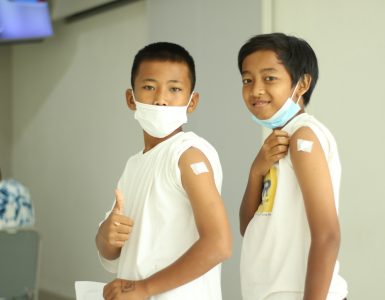
The COVID-19 pandemic brought challenges worldwide, affecting nearly every aspect of our lives. To fight the virus and return to normal, long-term solutions like vaccines became crucial. Governments around the world quickly launched vaccination campaigns, which had a huge positive impact on global health.
As vaccines rolled out, countries with high vaccination rates saw significant drops in COVID-19 cases. Within just three months of these campaigns, infection rates fell by 20–44%. This was great news, showing that vaccines worked. However, some countries still struggled due to the rise of new variants like Delta, reminding us that the fight wasn’t over and that we needed to stay alert and adjust vaccination strategies as needed.
In Malaysia, vaccines like Pfizer, AstraZeneca, and Sinovac were available to everyone for free. These vaccines helped control the spread of COVID-19 and dramatically reduced the number of severe cases and deaths. Hospitals were less overwhelmed as fewer people needed intensive care, and this helped save many lives.
During the height of the pandemic, hospitals were under immense pressure. With so many critical patients, tough decisions had to be made about who would get treatment first. In response, the government increased medical resources, adding more hospital beds, and oxygen supplies, and even using digital tools to manage the crisis more effectively.
As more people got vaccinated, the number of severe COVID-19 cases decreased. This not only helped protect individuals but also reduced the burden on healthcare systems. Fewer hospitalizations meant less strain on doctors and nurses and helped lower overall healthcare costs. Vaccines especially protect vulnerable groups, such as the elderly and those with weakened immune systems.
While vaccines have worked wonders, there’s still a need to ensure that everyone around the world has equal access to them. This is especially important in low-income countries, where vaccine supplies can be limited. We need to make sure that vaccines are distributed fairly, with ethical considerations about who should get them first. While scientists continue studying the long-term effects of the vaccines, monitoring, and care will help manage any potential issues that might arise.
Ultimately, getting vaccinated isn’t just about protecting yourself – it’s about protecting your community and the world. When more people are vaccinated, we can move closer to ending the pandemic and preventing further health crises. We all have a role to play in making sure public health is safeguarded for everyone.








 healthliteracymalaysia


Add comment