
 zamberi
by Hemagirri Manisekaran
Children and teenagers have unique health needs that deserve special attention. Here are some of the most common issues they face and practical tips to help keep them healthy.
Major Health Challenges
1. Mental Health
Depression, anxiety, and behaviour problems are common among teens. The World Health Organization estimates that about 1 in 7 adolescents worldwide has a mental disorder, and suicide is one of the leading causes of death in this age group.
What helps: Encourage open conversations, notice changes in mood or behaviour, and seek professional support when needed.
2. Weight and Lifestyle-Related Diseases
Being overweight in childhood or adolescence can increase the risk of diabetes, high blood pressure, and heart disease later in life.
What helps: Promote healthy eating habits, reduce sugary snacks and drinks, and ensure daily physical activity.
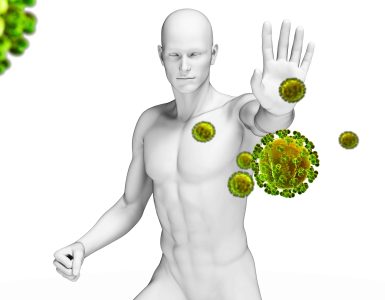
3. Infectious Diseases
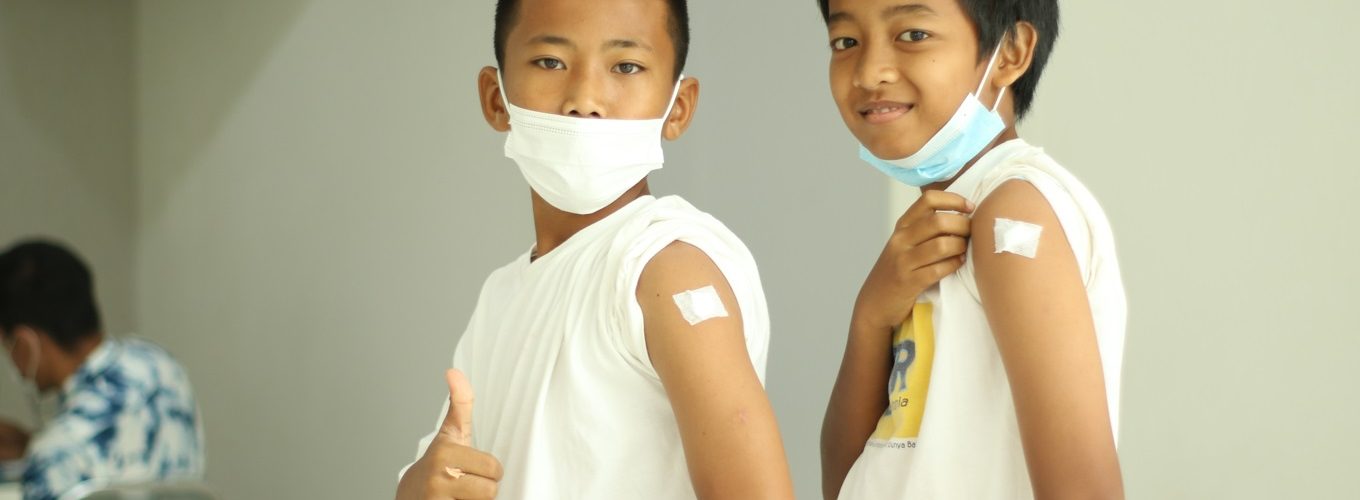
Vaccine-preventable diseases such as measles, mumps, and HPV can have serious consequences.
What helps: Follow the recommended vaccination schedule to keep your child protected.
4. Substance Use
Experimenting with alcohol, cigarettes, or drugs can harm health in both the short and long term.
What helps: Talk openly about the risks, set clear expectations, and seek early help if you notice signs of substance use.
5. Sexual and Reproductive Health
As teens mature, they may start exploring relationships and sexuality. Without accurate information, they are at risk for sexually transmitted infections (STIs) and unplanned pregnancies.
What helps: Provide age-appropriate sexual health education, focusing on consent, safe practices, and healthy relationships.
Vaccinations to Keep Up With
Vaccinations are a cornerstone of disease prevention. Examples include:
- For children: MMR (measles, mumps, rubella), DTaP (diphtheria, tetanus, pertussis), polio.
- For teens: Tdap booster, HPV vaccine, meningococcal vaccine.
Tip: Check with your doctor to make sure your child is up-to-date.
Healthy Lifestyle Habits
1. Nutrition
- Offer balanced meals with fruits, vegetables, whole grains, and lean proteins. Limit junk food, fast food, and sugary drinks.
2. Physical Activity
- At least 60 minutes of moderate-to-vigorous activity daily helps physical and mental health.
3. Mental Well-being
- Encourage hobbies, friendships, and activities that reduce stress.
4. Sleep
- Teenagers need 8–10 hours of sleep each night. Keep a regular bedtime and limit screen use before bed.
The Bottom Line
Keeping children and teens healthy is a team effort between parents, schools, healthcare providers, and the community. By focusing on mental health, preventing obesity, staying on top of vaccinations, and building healthy habits early, we can help them grow into healthy and resilient adults. Always check with healthcare professionals for personalised advice.









 healthliteracymalaysia


Add comment