

 zamberi
by Pavithra Mohan
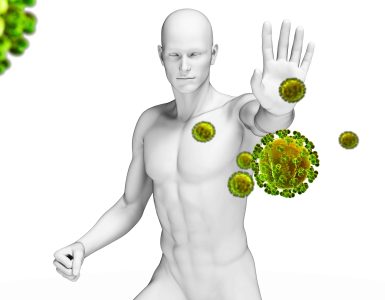
In early this year, reports from China have highlighted a surge in respiratory illnesses, particularly among children. This has sparked public concern and speculation about the possibility of another pandemic. However, health experts and organizations have offered insights to distinguish facts from fear.
The rise in respiratory infections—most notably in northern China—has led to increased hospital admissions, especially among children presenting with fever and cough. The situation has drawn global attention, evoking memories of the early days of the COVID-19 pandemic.
Upon investigation, Chinese health authorities and the World Health Organization (WHO) have attributed the illnesses to known pathogens, including:
- Mycoplasma pneumoniae – A common bacterium that typically causes mild respiratory symptoms but can occasionally lead to pneumonia, especially in children and young adults.
- Influenza (flu) viruses – Seasonal strains continue to circulate, causing typical flu symptoms, and occasionally leading to severe illness.
- Respiratory Syncytial Virus (RSV) – A frequent cause of lung and airway infections in children.
Importantly, no new or unusual pathogens have been identified. The WHO confirms that current cases are linked to established infectious agents, with no evidence of a novel virus.
What’s Behind the Surge?
Experts suggest the rise in cases may be partly due to an “immunity gap.” During the COVID-19 pandemic, measures such as lockdowns, mask-wearing, and social distancing drastically reduced the spread of many common viruses. As a result, children and other individuals had less exposure to these pathogens, resulting in decreased immunity. Now, as societies return to pre-pandemic norms, infections are rebounding—a trend observed not only in China but also in other countries.
How This Differs from COVID-19
It’s crucial to distinguish the current situation from the early days of the COVID-19 pandemic:
- Known Pathogens – Unlike COVID-19, these illnesses are caused by familiar viruses and bacteria.
- Available Treatments – Many of these infections are treatable, and vaccines (such as for influenza) are readily available.
- No Novel Virus Detected – Ongoing surveillance has not revealed any new or emerging pathogens.
Response Measures
Chinese health authorities have taken proactive steps to manage the surge:
- Enhanced surveillance to track the spread and severity of infections.
- Strengthened healthcare services to accommodate increased patient numbers, especially among children.
- International collaboration through transparent data sharing with WHO and other global health bodies.
While the rise in respiratory illnesses is understandably concerning, current evidence points to a resurgence of known infections—not a new pandemic threat. The immunity gap offers a plausible explanation, and continued vigilance through surveillance and public health efforts is essential to mitigate the impact moving forward.








 healthliteracymalaysia


Add comment