

 zamberi
by Hemagirri Manisekaran
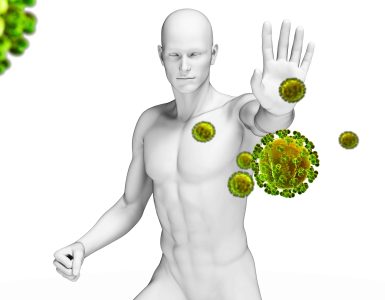
Vaccination is one of the most important ways we can protect ourselves and our communities from diseases. It helps stop the spread of infections like measles, polio, and the flu—illnesses that used to cause a lot of suffering but are now mostly under control because of vaccines.
To make sure vaccines work well, health experts like those from the World Health Organization (WHO) and Centers for Disease Control and Prevention (CDC) have created vaccination schedules. These are guides that show when you should get certain vaccines, depending on your age. Getting the right vaccines at the right time helps ensure you’re protected when you need it most.
Vaccines at Different Life Stages
Infants and Young Children (0–6 years)
Babies and young children are more vulnerable to infections, so they need several important vaccines early in life. These vaccines are given in stages, starting at birth and continuing through preschool. These include:
- Hepatitis B (protects the liver)
- DTaP (protects against diphtheria, tetanus, and whooping cough)
- MMR (measles, mumps, rubella)
- Chickenpox (varicella)
Adolescents (11–18 years)
As kids grow into teens, they need a few more shots to stay protected:
- Tdap booster (a follow-up for diphtheria, tetanus, and whooping cough)
- HPV vaccine (helps prevent cervical and other cancers)
- Meningococcal vaccine (protects against meningitis, a serious brain infection)
Adults
Adults still need vaccines! Key ones include:
- Tetanus and diphtheria booster every 10 years
- Annual flu shot to protect against seasonal flu
- Pneumococcal vaccine (for people over 50 or with chronic illnesses)
- Shingles vaccine (for adults over 50)
Why Sticking to the Vaccine Schedule Matters
- Protection at the Right Time
Some diseases are more dangerous at certain ages. For example, measles can be very serious in young children. That’s why the MMR vaccine is given in two doses starting at 12 months. - Full Immunity
Some vaccines work best when given in multiple doses. For instance, the DTaP vaccine is given several times during early childhood to build strong, lasting protection. - Protecting Others (Herd Immunity)
When many people are vaccinated, it becomes harder for diseases to spread—even to those who can’t get vaccinated, like newborns or people with immune system problems. - Avoiding Outbreaks
Skipping vaccines can lead to outbreaks. We’ve seen this happen with measles returning in some places because not enough people were vaccinated. - Long-Term Health Benefits
Many vaccines give protection for years or even a lifetime. Following the schedule helps keep you and your family healthy as you grow older.
Vaccines are not just for kids—they’re important at every age. By following the recommended schedule and talking to your doctor or nurse, you can make sure you and your loved ones stay protected. It’s a simple step that goes a long way toward keeping our families and communities healthy.










 healthliteracymalaysia


Add comment