

 zamberi
By Pavithra Mohan
Understanding health and making smart decisions about it is an essential life skill, often referred to as health literacy. For kids, learning these skills early on sets the stage for a healthy future. Parents have a vital role in this journey by teaching their children about health, creating open conversations, and providing the right tools to make learning fun and effective.
From the time they’re young, teaching children simple habits like washing their hands, brushing their teeth, or covering their mouths when they cough can build a strong foundation for lifelong healthy practices. Using fun activities like singing songs about handwashing or playing games that teach healthy habits makes the learning experience enjoyable and memorable for kids.
Children also learn by watching. When parents eat healthy, exercise regularly, and go for routine check-ups, they set a powerful example. Kids are keen observers, and seeing their parents make good choices encourages them to do the same.
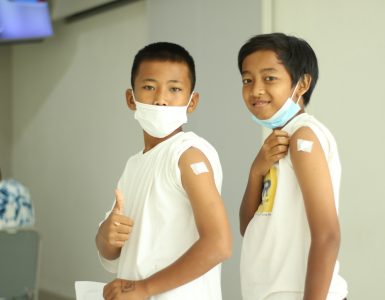
Creating an open space for health discussions is equally important. When kids feel safe asking questions, they can better understand complex topics. For instance, explaining how vaccines protect them from illness in a simple and honest way can help ease their fears and demystify medical concepts.
Providing tools that match a child’s age can also make a big difference. Picture books, interactive apps, or fun videos can teach younger kids about health in an engaging way. As they grow older, encouraging critical thinking—like questioning the reliability of online health information—can help them navigate a world filled with digital misinformation.
Involving children in health-related decisions, like choosing nutritious snacks or understanding why a certain treatment is needed, can empower them. This approach not only builds confidence but also helps them take responsibility for their own well-being as they mature.
Parents don’t have to do this alone. Many community programs, schools, and healthcare providers offer resources and workshops to support health education for families. Teachers and school nurses can also collaborate with parents to reinforce health lessons taught in class, such as cooking healthy meals together after a nutrition lesson at school.
By starting early, leading by example, and making health a part of everyday conversations, parents can equip their children with the tools they need to make informed choices throughout their lives. Helping kids understand health isn’t just about teaching them habits—it’s about preparing them for a future where they can confidently care for themselves and their families. With the right support, health literacy can become a natural and empowering part of every child’s life.










 healthliteracymalaysia


Add comment