

 hlphilippines
Whooping cough, or pertussis, is caused by the bacteria, Bordetella pertussis. It is highly contagious as it easily spreads through respiratory droplets, causing severe coughing episodes often accompanied by a “whoop” sound. This disease is a serious threat to public health, especially for infants and unvaccinated individuals.
Vaccines against Pertussis had greatly reduced cases in the past however there has been an upward spike in recent years. The Southeast Asia Region reported 17,532 cases, while the Western Pacific Region recorded 53,322 cases in 2018. As in most countries in these regions, the Philippines faces challenges in controlling pertussis, thus making awareness and disease prevention very crucial. The Philippine’s Department of Health has logged 3,827 cases from January 1 to August 17 2024 which is 13 times more than the 291 cases reported in the same period last year. Most were reported between March and April and there was a gradual decline in the number of cases from May to August 2024.
Symptoms of pertussis can differ by age. Infants may present with a persistent cough, nasal discharge, poor weight gain, or breathing difficulties and those younger than four months may fail to present the typical “whoop” sound (making it harder to recognize). Older children and adults with pertussis often present with a prolonged, dry cough lasting more than a week. Without early diagnosis and treatment, the disease can lead to further complications and spread to others.
Serious complications can occur especially in babies younger than six months. These include pneumonia, seizures, pauses in breathing (apnea), and blue-tinted skin or lips due to oxygen deprivation (cyanosis). Severe cases may involve inflammation of heart muscles (myocarditis) and pulmonary hypertension, which is a condition where the arteries in the lungs become narrowed making it hard for the heart to pump blood through the lungs. According to Bonus et al., pertussis had a case fatality rate (CFR) of 46% among hospitalized Filipino infants, with 85% of these cases involving unvaccinated infants. These figures highlight the urgent need for timely immunization to protect infants from severe outcomes.
Several factors may have contributed to the increase in Pertussis cases, including waning immunity over time, low vaccination rates, vaccine hesitancy due to misinformation, and the emergence of new strains that may reduce vaccine effectiveness. Addressing these factors is essential to control the spread of pertussis.
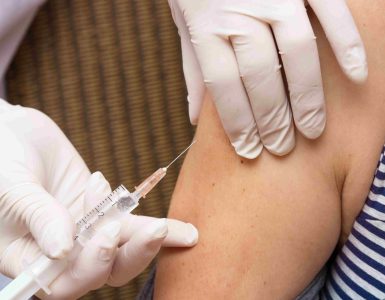
Vaccination remains the most effective protection against pertussis. Routine immunization for babies and booster shots for adolescents, adults, and pregnant women is crucial to protect individuals and reduce transmission to vulnerable populations. Timely and complete immunization is key to preventing severe complications and fatalities.
Healthcare providers play an important role in the early detection and diagnosis of pertussis. This involves recognizing clinical symptoms, conducting blood tests, or obtaining nasal swabs for laboratory confirmation. Once diagnosed, antibiotics can effectively treat the infection and prevent its spread. Community efforts are equally important, such as ensuring vaccinations are current, practicing good hygiene, and seeking prompt medical attention for persistent coughs, especially in individuals exposed to pertussis.
Pertussis remains a serious concern in the Philippines, but timely vaccination and awareness can protect our communities, especially infants and young children.
References
- World Health Organization. (2024). Pertussis reported cases and incidence. Retrieved from WHO Immunization Data Portal: https://immunizationdata.who.int/global/wiise-detail-page/pertussis-reported-cases-and-incidence?CODE=SEAR+WPR&YEAR. Accessed on November 27, 2024.
- Agrawal A, Singh S, Kolhapure S, Kandeil W, Pai R, Singhal T. Neonatal Pertussis, an Under-Recognized Health Burden and Rationale for Maternal Immunization: A Systematic Review of South and South-East Asian Countries. Infect Dis Ther. 2019 Jun;8(2):139-153. doi: 10.1007/s40121-019-0245-2.
- PPS-PIDSP Joint Position Statement on the Increasing Cases of Pertussis in the Community: Guidance for Healthcare Providers. March 2024 (Version 2).
- Pertussis cases are low; 750K vax doses are to arrive next week: DOH | Philippine News Agency. (2024). Pna.gov.ph. https://www.pna.gov.ph/articles/1232182
- PERTUSSIS DOWN; MORE PENTAVALENT VAX FOR DISTRIBUTION – Department of Health. (2024). Department of Health. https://doh.gov.ph/press-release/pertussis-down-more-pentavalent-vax-for-distribution/
By: Dr. Lulu Bravo, Dr. Celine Yapjuangco, and Dr. January Anne Pardo


 logesan




Add comment