 Health Literacy Asia
Imagine living in a world where a simple infection could be life-threatening because no antibiotics work. This is the looming threat of antimicrobial resistance (AMR), and it’s a reality that many young people today are determined to stop. The danger of AMR is no longer a distant concept; it’s an immediate threat to global health and food security, and young voices are growing louder in their demand for action.
Dr. Audrey Wong, Chairperson of the Quadripartite Working Group for Youth Engagement on AMR, vividly recalls her journey from pharmacy student to practitioner: “AMR was something I learned about in class, but it became all too real when I saw patients who were running out of treatment options.” This transformation from theory to reality is not unique to Audrey’s experience but highlights the pressing need for global leaders to address AMR before it spirals further out of control.
The Quadripartite alliance, a historic collaboration between the World Health Organization (WHO), the Food and Agriculture Organization (FAO), the United Nations Environment Programme (UNEP), and the World Organisation for Animal Health (WOAH), represents a united front against AMR. Their mission is clear: prevent AMR from becoming an insurmountable obstacle to human and animal health, food production, and the environment.
Why should we care about AMR?
Antimicrobial resistance ranks among the top 10 global health threats, contributing to an estimated 4.95 million deaths annually, with most of these deaths occurring in low- and middle-income countries. The economic toll is staggering too—by 2035, AMR is projected to cause an annual loss of $412 billion in healthcare costs and $443 billion in lost productivity.
But the impact doesn’t stop at human health. AMR threatens our food systems, as resistant bacteria and other microbes can affect animals and crops, reducing agricultural productivity when food security is already strained by climate change. The risk extends to animal welfare, further underscoring the need for a comprehensive response.
Karina Khatic, a veterinary student from Trinidad and Tobago and a trustee member of the International Veterinary Students’ Association, emphasizes the far-reaching effects of AMR: “As a veterinarian, I see how AMR affects not just humans but animals, too. We must take a One Health approach, recognizing that human, animal, and environmental health are all interconnected.”
The One Health approach: Our best hope
The One Health approach is crucial to combating AMR. This strategy recognizes that the health of people, animals, plants, and the environment are all linked. Misuse and overuse of antimicrobials in agriculture, animal husbandry, and human medicine have accelerated the spread of resistance, and reversing this trend will require coordinated action across all sectors.
In many parts of the world, access to medicines remains a challenge. Karina explains that without proper diagnostics and treatment options, people are at greater risk of developing drug-resistant infections. “How can we prevent AMR if not everyone has access to the right medications or even basic diagnostics?” she asks. “We need people-centered solutions, with a focus on prevention, proper diagnosis, and treatment.”
This sentiment is echoed by Dr. Audrey Wong, who stresses that AMR isn’t an abstract problem. It affects everyone. “Washing hands, maintaining sanitation, getting vaccinated—these are things individuals can do to reduce their risk of AMR. But we need stronger action plans from governments and organizations as well.”
The power of youth-led advocacy
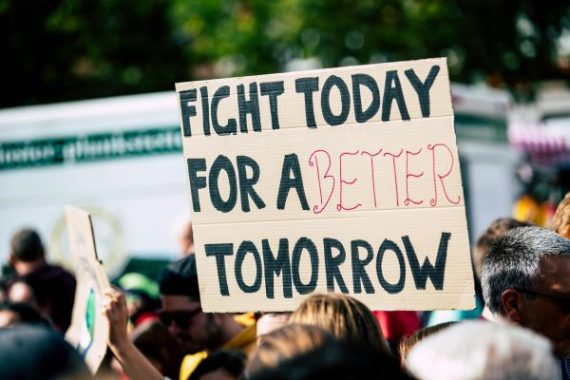
Young advocates, like Audrey and Karina, are leading the charge. Earlier this year, a youth manifesto was launched ahead of the UN General Assembly High-Level Meeting on AMR, calling for meaningful youth involvement in policy and program implementation. Their demands are clear: countries must integrate AMR into national plans, foster multi-stakeholder collaboration, and ensure that a One Health approach underpins all efforts.
Social media has become a powerful tool in raising awareness about AMR. Campaigns like “AMR is invisible. I am not,” have brought human stories to the forefront, making AMR an issue that everyone—not just medical professionals—can relate to.
As Karina explains, “AMR might seem like a medical issue, but it’s something that affects us all. Social media helps us connect with people from all walks of life and make them see why this fight matters.”
A call to action
AMR is a silent pandemic, but it doesn’t have to define our future. At the 2024 UN General Assembly High-Level Meeting on AMR, world leaders made concrete promises to tackle this threat, including reducing global deaths linked to AMR by 10% by 2030 and
ensuring universal access to clean water, sanitation, and hygiene in healthcare settings.
But promises alone won’t suffice. As Dr. Audrey puts it, “We all have a role to play in preventing AMR, whether it’s individuals practicing better hygiene or governments creating stronger action plans. Together, we can build a future where AMR is no longer a threat.”
Young people are right to demand action, and they won’t stop until the world takes AMR seriously. The future is in our hands—will we protect it?
Source: Citizen News Service (CNS)



 logesan