 Health Literacy Asia
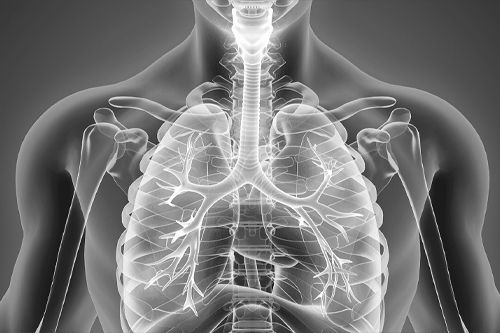
Chronic respiratory diseases (CRDs) are long-term illnesses that affect the lungs and airways, making it difficult to breathe. In Asia, CRDs are a growing concern due to factors like air pollution, smoking, and frequent respiratory infections. Two of the most common CRDs are asthma and chronic obstructive pulmonary disease (COPD).
Infections make CRDs worse
People with CRDs are more likely to suffer complications when they catch respiratory infections such as influenza or COVID-19. For example, individuals with COPD can experience a sudden worsening of their condition, known as an exacerbation, after getting the flu or SARS-CoV-2. These flare-ups can lead to hospital stays and even death, especially in vulnerable groups like the elderly or those with existing health issues.
Although based in Europe, a new project called the Joint Action on Respiratory Diseases (JARED) is offering ideas that may well be useful in Asia as well. Led by Hungary and supported by EU funding, JARED brings together experts from several countries to improve early detection and management of COPD and other lung diseases. Over three years, the project aims to help people take better care of their lungs, support vaccination efforts, and improve public understanding of CRDs.
Vaccines help prevent CRD complications
Professor Ildiko Horvath from the National Koranyi Institute for Pulmonology in Hungary emphasizes that vaccination plays a key role in controlling CRDs. Vaccines for flu, pneumococcal disease, and COVID-19 help reduce the number of serious infections that make CRDs worse. Childhood vaccines, such as those for whooping cough and measles, are also important because early infections can harm lung development and increase the risk of CRDs later in life.
Despite the benefits, many people with COPD and other CRDs are not getting vaccinated. In Europe, only about one-third of patients receive flu or pneumococcal vaccines. This is often due to low awareness, lack of trust in healthcare systems, financial barriers, or difficulty accessing vaccination services. These same issues are common in parts of Asia, making it important to find ways to improve vaccine uptake.
Improving awareness and education
To address these challenges, JARED is working to train healthcare workers, develop clear communication strategies, and provide reliable information to patients and their families. The goal is to help people understand how vaccines can protect their health and reduce the burden of CRDs. Information about vaccines is also being included in hospital discharge papers and patient recovery plans to encourage follow-up care and self-management.
There is a clear opportunity to reduce the impact of chronic respiratory diseases by promoting vaccination and better education. In Asia, as in Europe, improving awareness and access to vaccines can help protect millions of people from serious lung problems. Acting now can prevent future illnesses, reduce hospital visits, and save lives. (Source: Vaccines Today)
By Global Health Press



 logesan